Office Cleaning Checklist Every Company
Use this expert office cleaning checklist to maintain hygiene after flu season. Learn when to hire janitorial services in Mississauga and improve workplace health with structured cleaning protocols.
JANITORIAL SERVICES
3/25/20264 min read
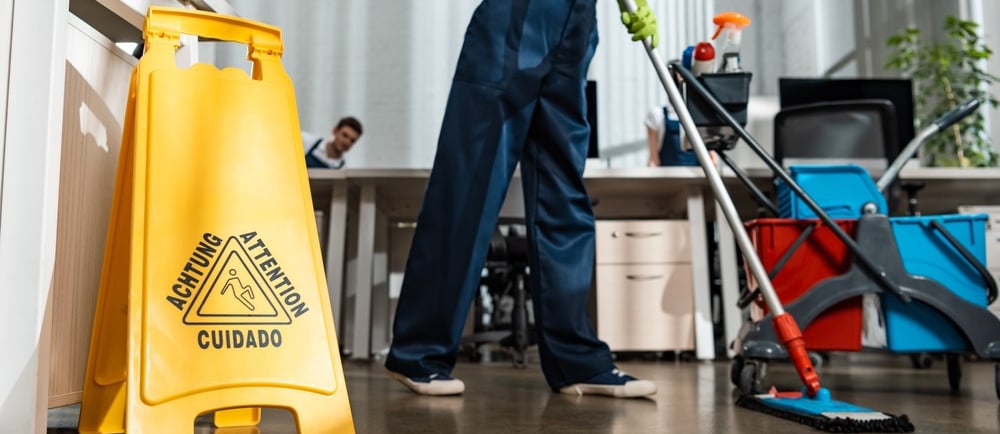
Flu season leaves behind absenteeism and empty half-desks. It silently leaves germs on keyboards, door handles, conference tables, and HVAC vents--making your work environment a reservoir of any remaining pathogens. With the employees back to normal day operations, the environment needs to be cleaned with a systematic post-flu-season clean-up plan. A professional and systematic approach would minimise health risks and productivity rebounds, not to be interrupted.
To the businesses in cities such as Mississauga and Oakville, keeping the workplace hygienic following the season of the flu is not an optional task, but an operational risk management. The detailed checklist that any company should have is presented below.
1. Begin with a High-Touch Surface Deep Disinfection
The main sites of infection with regard to viruses and bacteria are the high-contact areas. Deep disinfecting protocol has to be implemented after the season of flu in:
Door handles and push plates
Elevator buttons
Sharing Desks and work stations.
Light switches
Breakroom appliances
Tables and chairs in the conference rooms.
Apply alcohol-based disinfectants that are of hospital grade with verified virucidal activity. Most organizations use janitorial services in Mississauga to maintain the implementation of uniform cleaning procedures with the use of commercial cleaning equipment and approved cleaning agents.
2. Clean Surfaces and Communal Machines
Microbes grow on workstations as they are used on a daily basis. The best time of the year to do a workstation reset is after the flu season:
Wipe down keyboards, mice, and monitors.
Clean off desk and chair armrests.
Wipe down telephones and headsets.
Disinfect printers, scanners, and common electronics.
Encourage employees to clean their desks by de-cluttering them first. This enhances accessibility and the possibility of a more detailed sanitization process.
Organizations that outsource office cleaning in Oakville usually enjoy the planned workstation cleaning schedules, which limit the possibility of cross-contamination across the departments.
3. Air Quality Systems and Refresh HVAC
The distribution of pathogens is of great importance to air circulation systems. A checklist on a post-flu-season should consist of:
Replacing HVAC filters.
Cleaning air vents and ducts.
Checking of dehumidifiers and humidifiers.
Evaluating airflow efficiency.
Better air quality minimizes airborne contagions and increases the level of comfort among the employees. Think about improving to HEPA filtration wherever feasible.
Operational insight: CAM is a matter that is usually ignored, but it has a direct effect on the health indicators of employees and the levels of absenteeism.
4. Deep Clean Upholstery and Deep Clean Carpets
Pests harbour dust, triggers, and germs in carpets and soft items. After flu season:
Steam clean carpets and rugs.
Clean upholstered furniture chair and sofa.
Clean with Hepa-filter machines.
Clean spots and areas of high traffic.
Cleaning of soft surfaces to a deep level not only enhances hygiene, but also increases the life of the assets. The cleaning specialists normally apply techniques of extraction that are more efficient in eliminating entrenched contaminants as opposed to ordinary vacuuming.
5. Wash Bathrooms and Wipe down
Bathrooms need to be cleansed more vigorously after the flu season. Focus on:
Toilets, sinks, and faucets
Stall doors and locks
Soap dispenser and hand dryers
Floors and walls
Trash receptacles
Make sure that disinfectants stay on surfaces. Hygiene items such as soap, paper towels, and sanitizers should also be replenished in the toilets.
Best practice: More frequent cleaning of the restrooms during and the next day of the flu season.
6. Clean Breakrooms and Kitchen Areas
Kitchens can be reinfected with contamination. Include:
Microwave appliances (microwaves) and refrigerators (appliances).
Countertops and sinks
Coffee machines and kettles
Dining tables and chairs
Recycling stations and garbage disposals.
Promote employees to label and take away food that has expired. A clean breakroom helps in healthy practices and minimizes microbial contamination.
7. Adopt Waste Management and Disposal Procedures
Waste management: There should be cleaning after the flu season.
Disposing of used tissues and wipes in a safe manner.
Replace trash liners.
Sanitize bins inside and out.
Examine processes of recycling.
Waste bins, especially those in open places, should be sanitized to avoid bacterial accumulation.
8. Resupply of Hygiene Materials and Prevention Equipment
The best solution is prevention. After flu season, ensure:
Hand sanitizer dispensers are replenished.
Disinfectant wipes are also in stock.
Soap dispensers are stocked.
Signage on education can be seen.
Viable hygiene facilities should also be visible, as this will make the employees feel confident and aid in the continued control of the infection.
9. Cleaning Schedule Continuous Maintenance
It is not enough to clean everything once. Introduce a regular program:
High-touch areas are disinfected weekly.
Monthly deep cleaning.
Quarterly HVAC inspections.
Carpet and upholstery cleaning on a regular basis.
Collaboration with professional cleaners will add consistency and responsibility. Most of the businesses depend on the organized service plans under the management of the janitorial services in Mississauga to ensure the standards of year-round cleanliness.
10. Disseminate Cleaning Measures to the employees
Transparency builds trust. Inform staff about:
Cleaning schedules.
Hygiene policies.
Guidelines of personal responsibility.
Processes of illness reporting.
When workers are aware of the system, there is a likely chance of their keeping their surroundings clean.
Conclusion
Office reset after the end of the flu season is not just another cleaning operation but a business plan to invest in the health of the workforce and business continuity. Due to the systematic checklist and involvement of professional cleaning teams in case of need, the companies will be able to minimize the risk of remaining illness greatly and ensure a safer working environment.
FAQs - Frequently Asked Questions
1. Why office cleaning after the season of flu?
It removes residual germs and minimizes the chances of reinfection of employees, improving the health and productivity of employees in the workplace.
2. What is the frequency of deep cleaning of offices after flu season?
At least, perform one large-scale deep clean of the facilities right after flu season and clean your hands weekly.
3. Does it mean that companies should engage professional cleaners?
Yes. It is professional cleaning where commercial-grade disinfectants and equipment are used, and this offers better sanitation than commercial cleaning.
4. Where do you feel the need to focus the most?
The most important ones are high-contact surfaces, washrooms, breakrooms, workstations, and HVAC systems.
5. Does improved cleaning decrease the sick days of workers?
Yes. A clean environment reduces exposure to pathogens and contributes to minimizing sick leaves.
Socials
SERVICE AREA
Oakville, Burlington, Hamilton, Milton, Mississauga, Niagara, Kitchener, Waterloo, Guelph, Etobicoke and Toronto (GTA)